ADAS Calibration After Windshield Replacement: The Unseen Crucial Step in Auto SafetyADAS Calibration After Windshield Replacement: The Unseen Crucial Step in Auto Safety
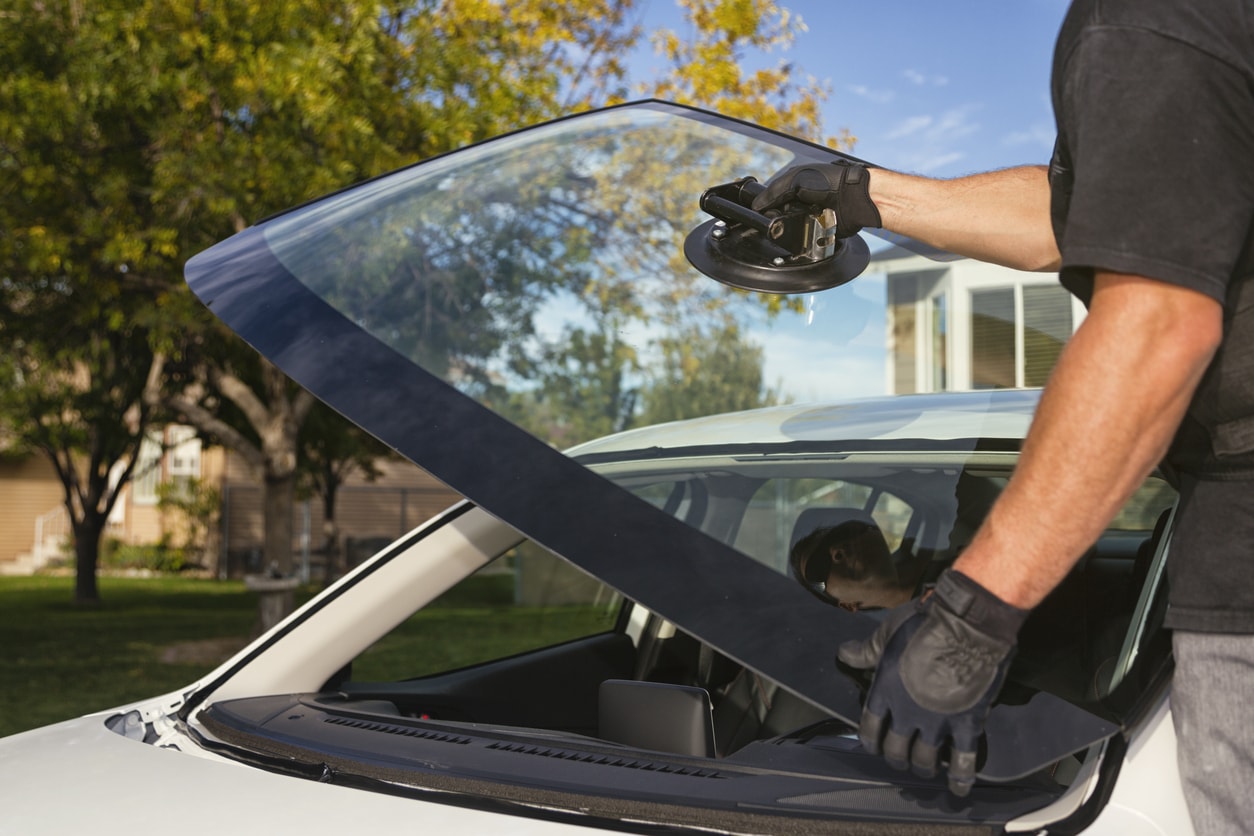
In the world of automotive technology, Advanced Driver Assistance Systems (ADAS) have become indispensable for ensuring driver safety. From lane-keeping assist and adaptive cruise control to automatic emergency braking, ADAS uses a combination of sensors, cameras, and radar to enhance vehicle control and prevent accidents. However, when replacing a vehicle’s windshield, a critical factor is often overlooked: the calibration of these advanced systems. This article delves into the importance of ADAS calibration after a windshield replacement and why it should be prioritized for your safety and vehicle functionality.
Understanding ADAS: More Than Just Fancy Features
Advanced Driver Assistance Systems are designed to reduce human error and make affordable windshield replacement nearby driving safer. They rely on a variety of sensors mounted in specific parts of the vehicle, often including the windshield, front bumper, and side mirrors. Cameras placed behind the windshield, such as those for lane-keeping and automatic emergency braking, are extremely sensitive and need precise alignment to function correctly.
When the windshield is replaced, even the slightest misalignment in these components can render ADAS features inaccurate or ineffective, significantly impairing the vehicle’s overall safety performance. This is where calibration comes into play.
What is ADAS Calibration?
ADAS calibration refers to the process of recalibrating the sensors and cameras after a windshield replacement or any other repair affecting the vehicle’s safety systems. This process ensures that the systems are properly aligned and able to detect objects, gauge distances, and interpret the road environment with precision. Without proper calibration, systems like automatic emergency braking may fail to activate, or lane-keeping assist could steer the vehicle off-course.
There are two main types of calibration:
- Static Calibration – This type of calibration is done in a controlled environment, typically a service center, where the vehicle is positioned in front of specific targets. The vehicle is usually stationary during this process, allowing technicians to adjust the system’s cameras and sensors according to factory settings.
- Dynamic Calibration – This process involves driving the vehicle on the road at specific speeds, where the vehicle’s sensors and cameras recalibrate in real-time based on the driving conditions. This is often done in combination with static calibration for comprehensive adjustments.
Why is ADAS Calibration Necessary After Windshield Replacement?
1. Windshield Sensor Integration
Most ADAS cameras are mounted behind the windshield, specifically on or near the rearview mirror. These sensors rely on a clear, unobstructed view of the road ahead to function properly. When the windshield is replaced, there’s a potential risk of misalignment or improper installation of the sensor. Even a tiny shift in the position of these sensors can lead to incorrect readings and potentially malfunctioning safety systems. Proper calibration ensures that the sensors’ lines of sight are perfectly aligned.
2. Vehicle-Specific Calibration Requirements
Not all vehicles are the same, and ADAS systems differ between makes and models. Some vehicles may require a more extensive calibration process after windshield replacement, depending on the design of the system. For example, some vehicles have multiple cameras and radar sensors that need to be calibrated together for the systems to work in unison. A professional calibration is necessary to meet the specific needs of each vehicle, ensuring that safety systems perform optimally.
3. Safety First: System Malfunctions Can Be Deadly
Failing to calibrate ADAS after windshield replacement can have serious consequences. Imagine a situation where the automatic emergency braking system doesn’t detect an impending collision because the camera is misaligned. The driver might be unaware of the malfunction until it’s too late. Likewise, if the lane-keeping assist system fails, a slight veer in the vehicle’s steering could go undetected. These systems are designed to act as a safety net for drivers, but that net can’t function properly without proper calibration.
4. Legal and Insurance Considerations
Many insurance policies require that a vehicle’s ADAS systems be recalibrated after windshield replacement. In fact, some jurisdictions may mandate that certain safety systems be recalibrated by law to ensure vehicles meet safety standards. If your vehicle is involved in an accident and it’s found that ADAS systems were improperly calibrated, you may be at risk of losing your coverage or having your claim denied. Additionally, if a vehicle is not calibrated correctly, it could lead to more significant repair costs in the future.
The Calibration Process: What to Expect
After a windshield replacement, ADAS calibration is typically performed by trained professionals at an auto repair shop or a specialized calibration center. The process usually begins with a comprehensive diagnostic check of the vehicle’s systems. Here’s what you can expect:
- Vehicle Assessment – Technicians will first assess the vehicle to determine which systems are involved and the extent to which calibration is necessary.
- Calibration Equipment Setup – The technician will set up special equipment, which may include targets, alignment tools, and diagnostic computers, depending on the vehicle’s make and model.
- Static or Dynamic Calibration – The technician will proceed with either static or dynamic calibration based on the specific needs of the vehicle’s ADAS.
- System Check – After calibration, a full diagnostic test will be run to ensure that all systems are functioning properly and that there are no errors or malfunctions.
- Test Drive (if required) – If dynamic calibration is necessary, the technician will test the vehicle on the road to verify that the system adjustments are working correctly.
Cost of Calibration: Is It Worth It?
While some might consider ADAS calibration to be an unnecessary expense after windshield replacement, it’s essential to view this service as an investment in your safety. The cost of calibration can vary, but on average, it can range between $100 and $500 depending on the vehicle and type of calibration required. Given the critical nature of ADAS systems, the cost is relatively minor when compared to the potential risks associated with uncalibrated safety systems.
Wrap-up: Don’t Skip Calibration
ADAS calibration is an often-overlooked but crucial aspect of the windshield replacement process. Without it, the life-saving capabilities of ADAS can be compromised, leading to a range of safety hazards that could be avoided. Whether it’s a simple sensor alignment or a more extensive recalibration process, ensuring that your vehicle’s safety systems are properly calibrated after windshield replacement should be a priority.
So, the next time your windshield needs replacing, don’t just trust that everything is in working order. Make sure to have your ADAS systems professionally calibrated to protect yourself, your passengers, and others on the road. Safety doesn’t happen by accident—it’s the result of careful maintenance and attention to detail, and that includes calibrating your ADAS systems.